

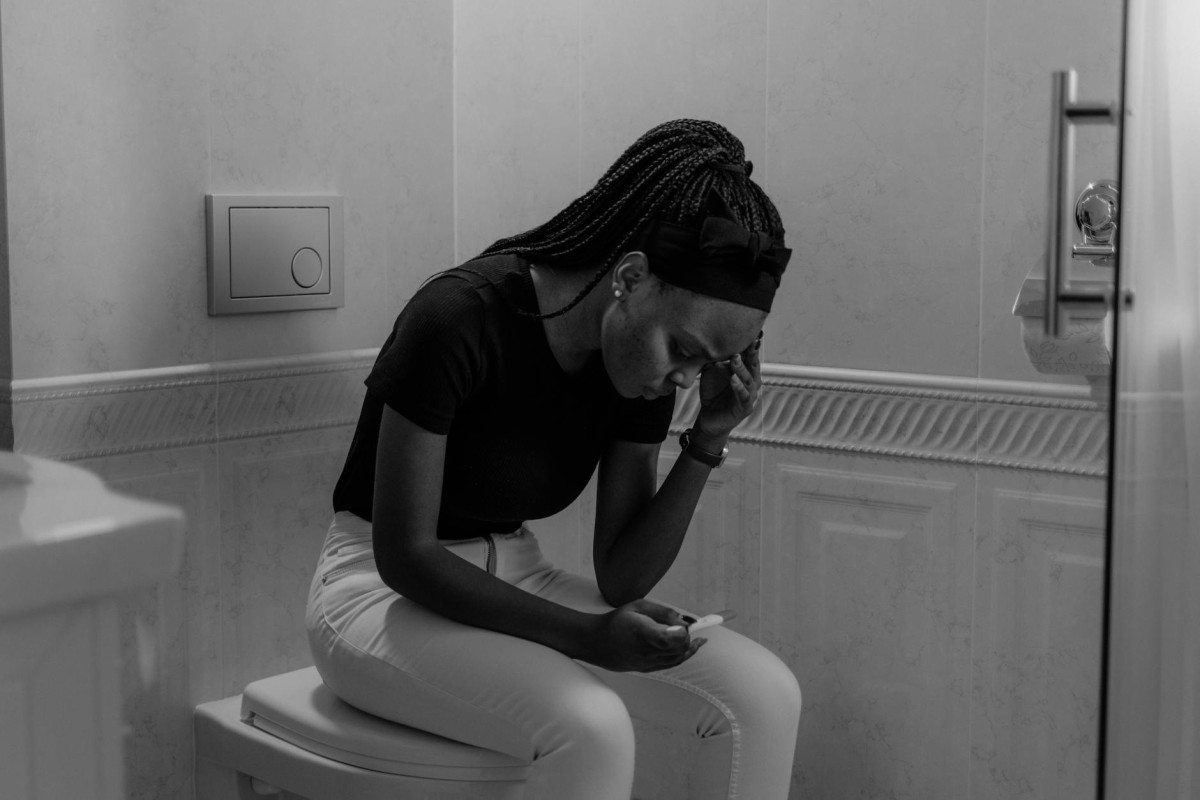
We often hear about various diseases that disproportionately affect Black women, such as heart disease, high blood pressure, and diabetes, just to name a few. However, it is essential to allow more open discussions about the silent battles many Black women face in dealing with mental illness and depression. Many are reluctant to seek help due to stigma, limited resources, and numerous other barriers. It is important to acknowledge that our mental well-being deserves the same level of care and attention as our physical health.
According to a study conducted by the American Psychiatric Association:
- Black women are less likely to receive guideline-concordant care for anxiety and depression.
- Report higher feelings of loneliness than their White counterparts, which can impact mental health.
- More likely than White women to report persistent feelings of sadness.
- Are overrepresented in the numbers of those who experience post-traumatic stress disorder (PTSD).
- Have a higher percentage of untreated mental illness due to stigma and lack of access to culturally competent care.
With facts like these, it’s essential to cultivate a supportive environment where, as women, we feel empowered to prioritize our mental well-being, not just for ourselves, but for the other women in our lives. How many of us were raised by grandmothers or mothers who urged us to keep pushing forward and maintain a strong facade? They taught us to hide our struggles, not to let the world see us sweat. This wasn’t taught to be harmful, but for a lot of them this type of thinking is all they knew.
This relates to the Strong Black Women Schema, which often prevents us from showing any signs of vulnerability. There are many Black women, great-grandmothers, grandmothers, and mothers who endured their hardships in silence, believing it wasn’t acceptable to express their struggles or feeling they had no options. They persevered, hid their internal struggles, and kept it moving, often at great emotional cost. In addition to this, we must also confront the stigma that still exists within our community, where seeking mental health services is frowned upon.
To help change this narrative, below are several online resources and organizations providing mental health support to the Black community, ensuring everyone has access to the care and support they deserve.
Therapy for Black Girls: An online space dedicated to encouraging the mental wellness of Black women and girls. It provides a therapist directory and a supportive community.
Sista Afya: Aims to make mental wellness accessible, affordable, and relevant for Black women in the US. Their services include support groups and workshops.
Melanin and Mental Health: Connects individuals with culturally competent clinicians committed to serving the mental health needs of Black & Latinx/Hispanic communities.
Black Mental Wellness: Is dedicated to the empowerment and mental well-being of Black people. It offers resources, workshops, and events.
The Loveland Foundation: Provides financial assistance for therapy sessions for Black women and girls across the country. They also offer fellowships for training and development.
Many of us also find strength, grounding, and real healing through our faith communities. More and more churches are starting to understand that prayer and therapy can work together and that God can use both spiritual guidance and trained mental health professionals to support our well‑being. Some ministries now offer counseling programs, support groups, or partnerships with therapists who understand our culture, our stories, and our spiritual values.
If you’re already part of a church, it’s worth asking if they have a wellness ministry or connections to Christian counselors. And if you’re not currently in a church home, don’t let that stop you just ask around. Somebody in your family, your friend circle, or your community probably knows a church that offers mental health support. Sometimes the resources we need are closer than we think and community can be the doorway God uses to help us heal.
In addition to these online resources, it’s crucial for us to actively participate in open and compassionate conversations about mental health, dismantle stigmas, and champion accessible mental health services within our communities. It’s absolutely okay to not be okay, and feel the need to reach out for support. By fostering a culture of empathy and support, we can play a part in enhancing the mental well-being for ourselves and for the women around us helping to break the chains of mental trauma for future generations.